

Understanding the Side Effects of iGenics
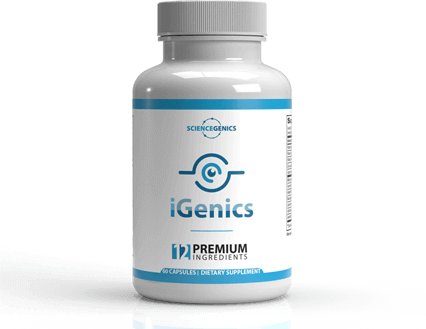
iGenics is a dietary supplement designed to support eye health and enhance vision. It is marketed as a natural solution for individuals experiencing age-related vision issues, including macular degeneration and other ocular conditions. While iGenics has garnered attention for its purported benefits, it is essential to understand the potential side effects associated with its use to ensure safe consumption.
The formulation of iGenics includes a blend of vitamins, minerals, and herbal extracts, which are believed to contribute to its effectiveness. Key ingredients often found in iGenics include Lutein, Zeaxanthin, Vitamin C, Vitamin E, Zinc, and various antioxidants. These components are known for their roles in promoting eye health; however, they can also lead to adverse reactions in some individuals.
One of the primary concerns regarding iGenics is the possibility of allergic reactions. Some users may be sensitive to specific ingredients, leading to symptoms such as itching, rash, or swelling. It is crucial for individuals with known allergies or sensitivities to review the ingredient list thoroughly before starting the supplement. In cases of severe allergic reactions, such as difficulty breathing or swelling of the face and throat, immediate medical attention is necessary.
Gastrointestinal issues are another common side effect reported by users of iGenics. These may include nausea, diarrhea, or stomach cramps. Such symptoms can arise from the body’s reaction to the herbal extracts or the high concentration of certain vitamins and minerals. To mitigate these effects, it is advisable to take the supplement with food, as this can help improve tolerance and absorption.
Some users have also reported experiencing headaches and dizziness after taking iGenics. These symptoms may be attributed to the supplement’s active ingredients, which can affect blood circulation or cause fluctuations in blood pressure. Individuals with pre-existing conditions related to blood pressure or migraines should consult a healthcare professional before using iGenics to avoid exacerbating their symptoms.
Another potential side effect associated with iGenics is the interaction with other medications. Certain vitamins and minerals can interfere with the efficacy of prescription drugs, particularly those related to blood thinners, cholesterol medications, or other supplements. It is essential for users to discuss their current medication regimen with a healthcare provider to prevent any adverse interactions.
Lastly, while iGenics is marketed as a natural supplement, it is not devoid of risks. Long-term use of high doses of certain vitamins, particularly fat-soluble vitamins like A, D, E, and K, can lead to toxicity. Symptoms of vitamin toxicity may include nausea, headache, fatigue, and more severe health complications. Therefore, adhering to the recommended dosage is crucial to avoid potential health risks.
In conclusion, while iGenics may offer benefits for eye health, users should be aware of the possible side effects, including allergic reactions, gastrointestinal issues, headaches, and interactions with medications. Consulting a healthcare professional before starting any new supplement is always advisable, particularly for individuals with pre-existing health conditions or those taking other medications. Careful consideration and monitoring can help mitigate risks and ensure a positive experience with iGenics.